Experiential Life

One Place | Less Overwhelm | More Clarity

You’re doing the work – searching, learning, advocating – because the system doesn’t just hand you answers. Get the answers you need now.

Download the app today
The Experiential Life Logo looks like a sunset over ocean waves. The words "Experiential Life" are centered in the section that looks like the sun.
  • About
  • Experiential Life App
  • Services
  • Resource Library
  • Blog
  • How to Advocate for Your Disabled Child Without Burning Out

    • by Christy
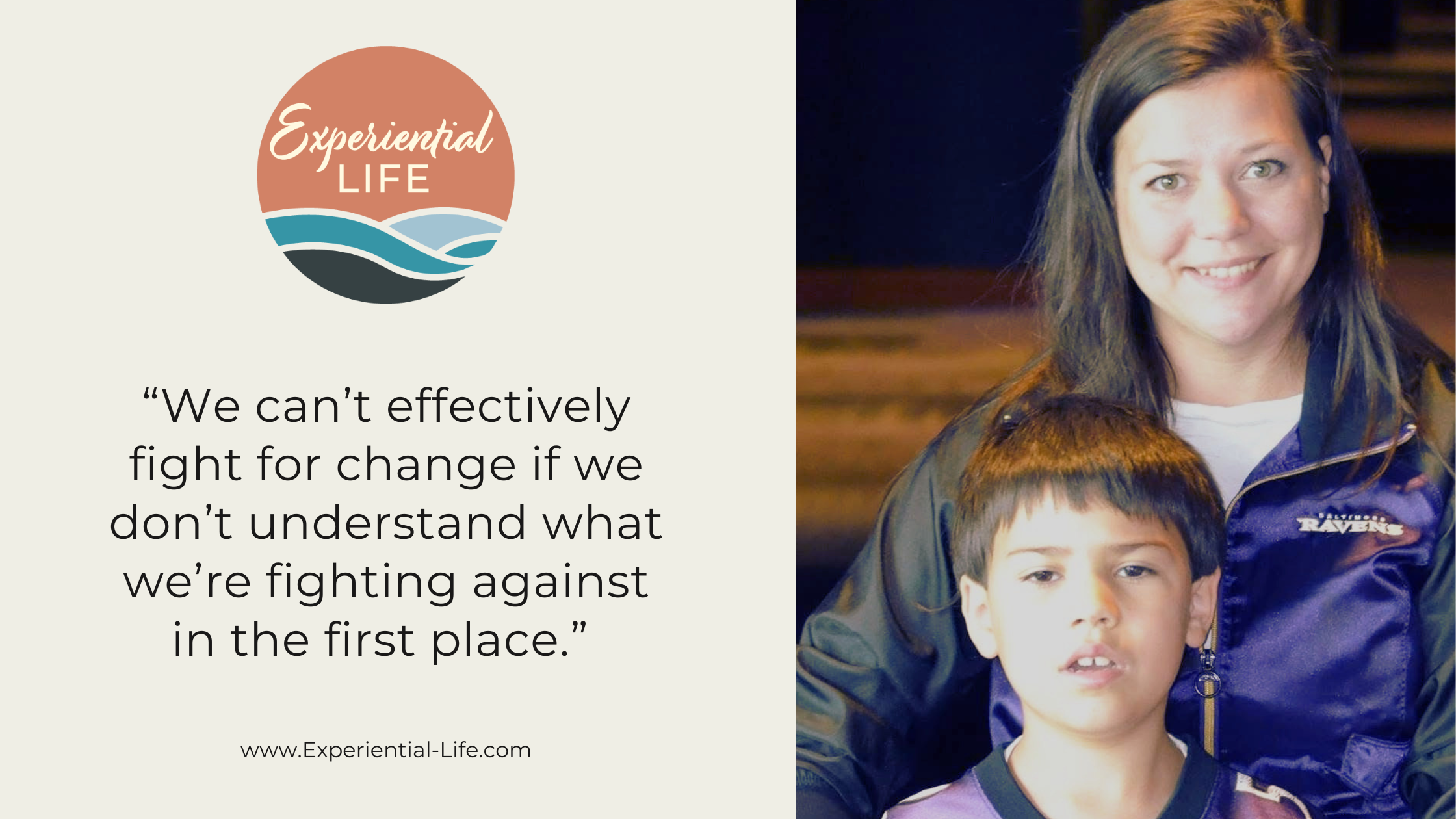
    We can’t effectively fight for change if we don’t understand what we’re fighting against in the first place. Image of Christy, a white woman with her brain hair down around her shoulders and wearing a Ravens jacket, with her son C in front of her - a white young boy with short brown hair wearing a Ravens jersey.

    They say, “you have to fight for everything when it comes to your disabled child.”

    I never thought I would be fighting for my child to keep the rights and protections he was born with.

    Read More

  • Finding Your Voice at the IEP Table: From Fights to Rights

    • by Christy
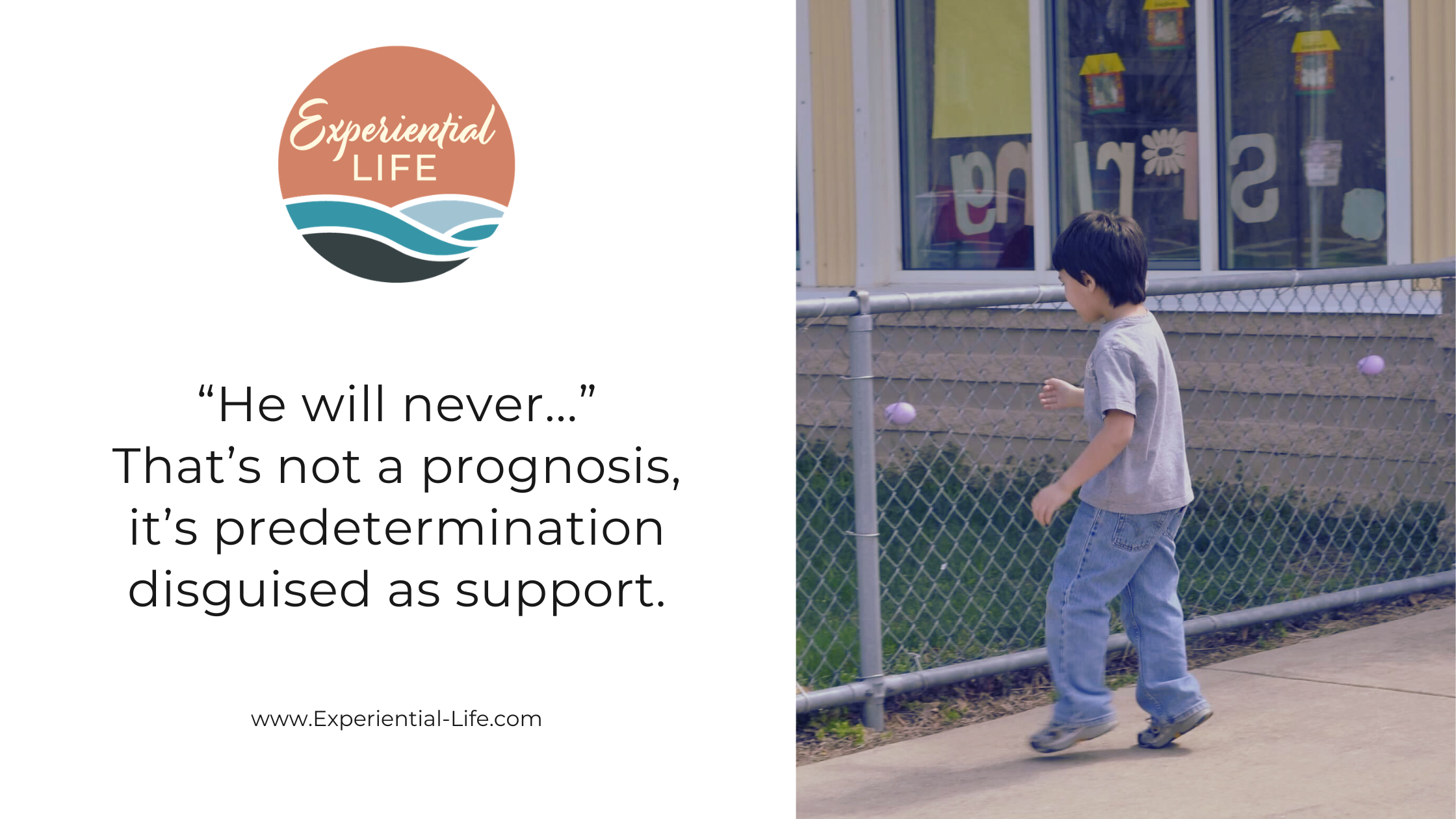
    Text reads: “He will never...” That’s not a prognosis, it’s predetermination disguised as support. To the right is a picture of C in his pre-k program, wearing jeans and a gray t-shirt. He is facing the fence of the playground, with his hand outstretched to retrieve a plastic egg from between the diamonds of the chain link fence.

    It was segregation disguised as support, and I hated it.

    I got home and started writing emails like my son’s life depended on it… and in some ways, it did.

    Buried, in a tiny little box, in a sea of boxes and tables and words, were 2 check boxes:
    ◻︎ Diploma Track
    ◻︎ Certificate Track

    Certificate track was checked.

    I would have never noticed it, had our special education teacher friend not pointed it out.

    I would have never thought twice about it, had she not said, “it’s harder to go back to diploma track than it is to move to certificate track.”

    Read More

  • Finding Your Voice: From IEP Tables to Legislative Change

    • by Christy
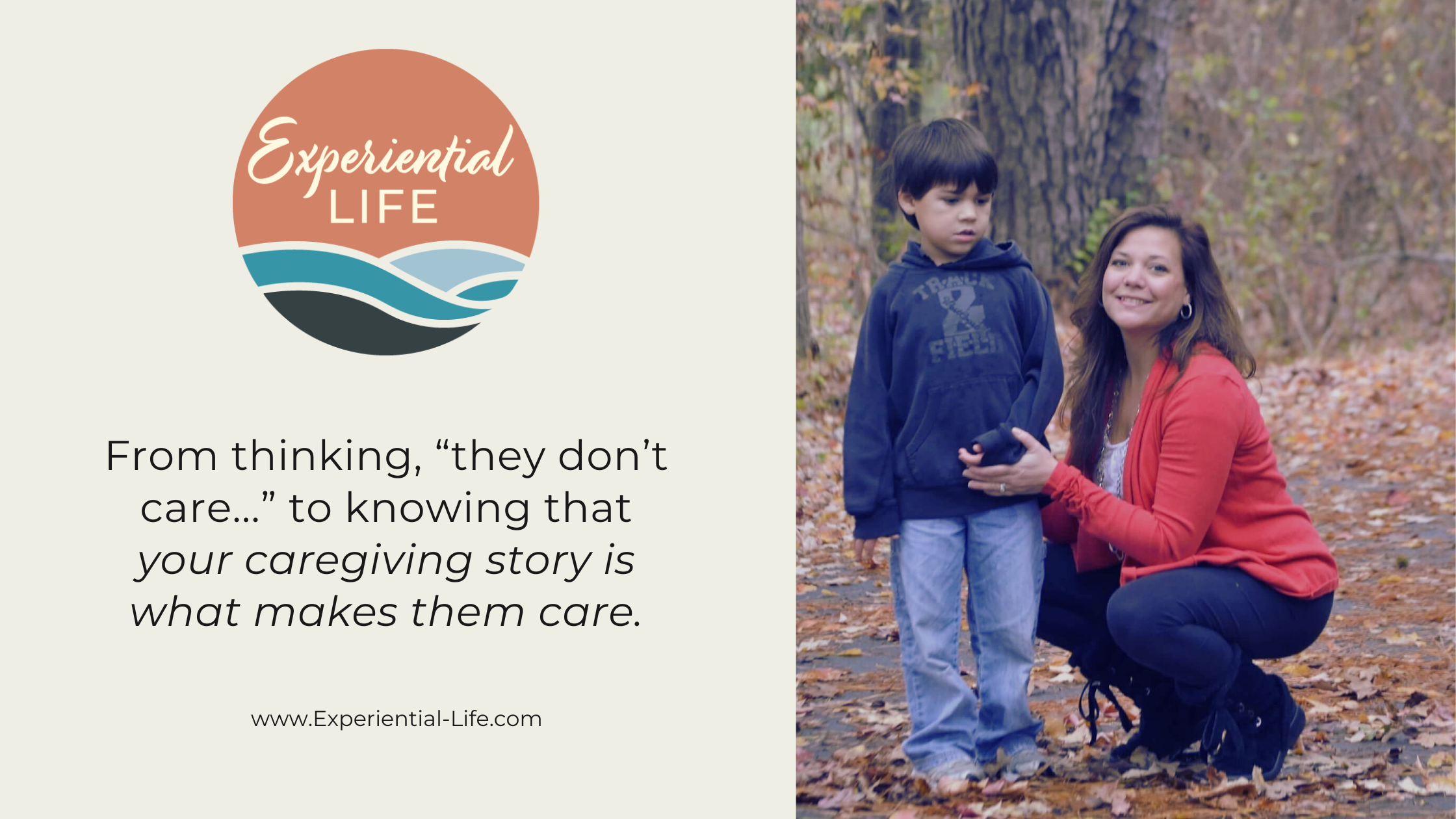
    Graphic reads, "From thinking, “they don’t care...” to knowing that your caregiving story is what makes them care." To the right is a picture of C standing on a paved path with fallen leaves surrounding him. He has short brown hair, a black hoodie, and jeans. Squatting beside him is Christy, wearing a red cardigan, black pants and a white shirt. Her long brown hair falls in waves over her shoulders.

    I kept sharing my story.

    Because if I can convince a team of professionals in one school that we can support disabled kids and their families differently, then surely we can take that on the road and convince systems that inclusion is for everyone and costs less than exclusion. 

    Read More

  • The Other Side of Autism Awareness and Acceptance

    • by Christy

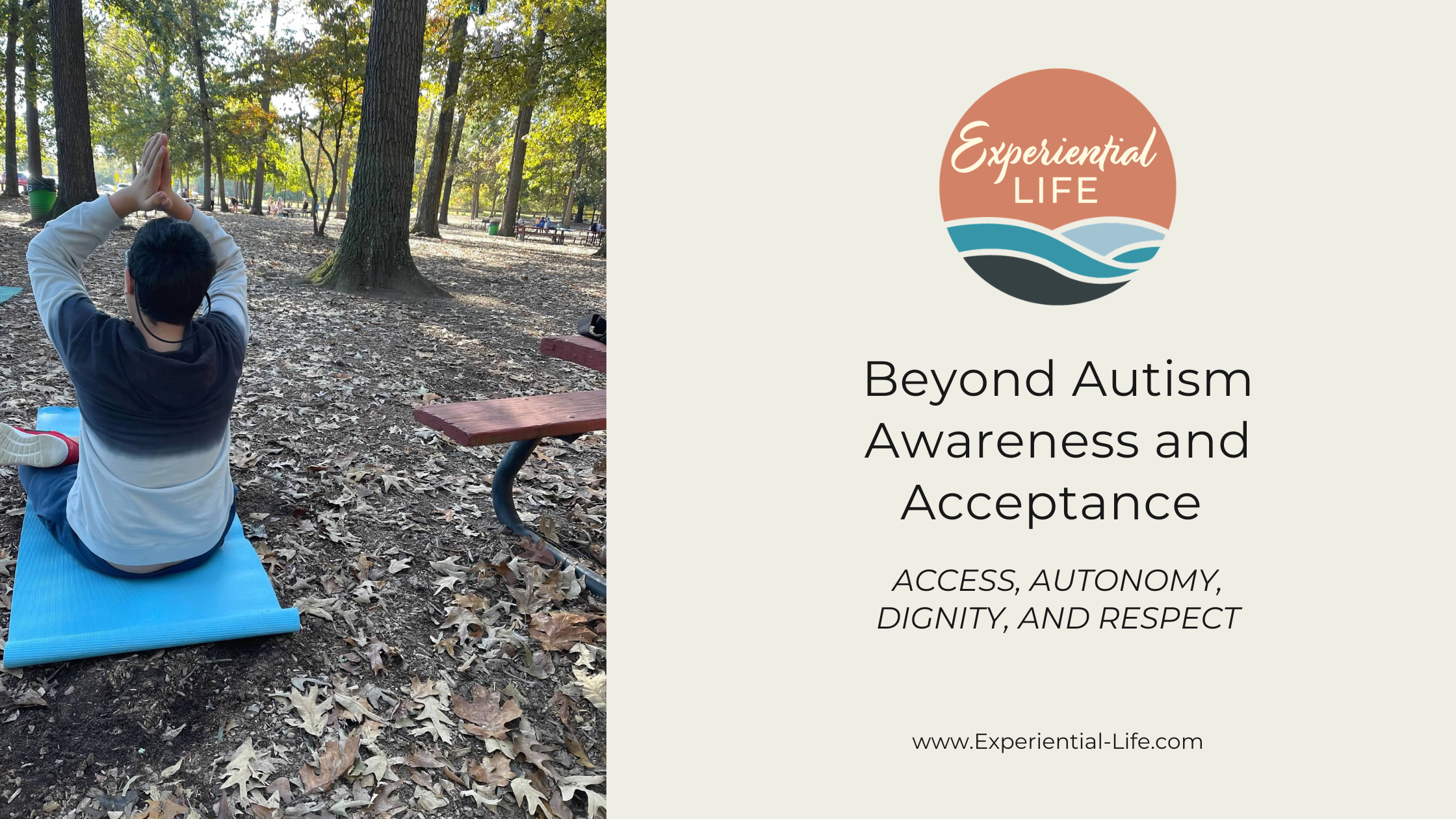
    Autism Unfiltered was born out of a deep desire to make sure that the rhetoric doesn’t drown out those who are advocating every day to make sure our children have full and autonomous lives and are treated with dignity and respect.

    Read More

  • ABLE to Save for My Disabled Son

    • by Christy
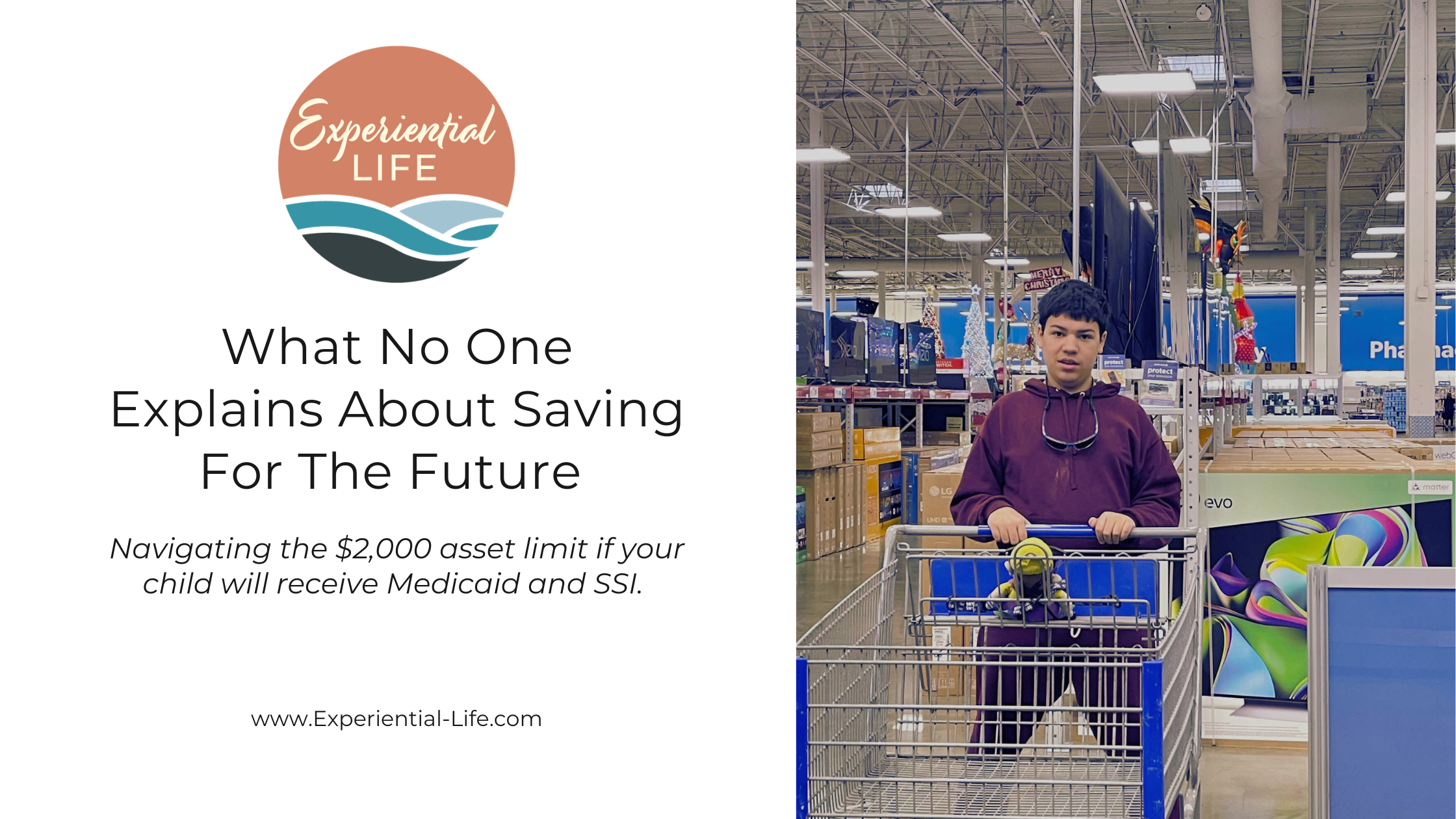
    Graphic reads: What no one tells you about saving for the future... Navigating the $2,000 asset limit if your child will receive Medicaid and SSI. To the right is a picture of C standing in line at a store. His hands are on a shopping cart and he is wearing a maroon sweatshirt and matching pants.

    In 1989 – the year I was in second grade – the federal government set the asset limit for people receiving SSI at $2,000.

    It has not changed since.

    That means that saving for your disabled child is more complicated than it would be for a child who won’t need SSI or Medicaid benefits in the future…

    Read More

  • Why Planning For Your Disabled Child’s Future Isn’t A “Tomorrow Problem”

    • by Christy
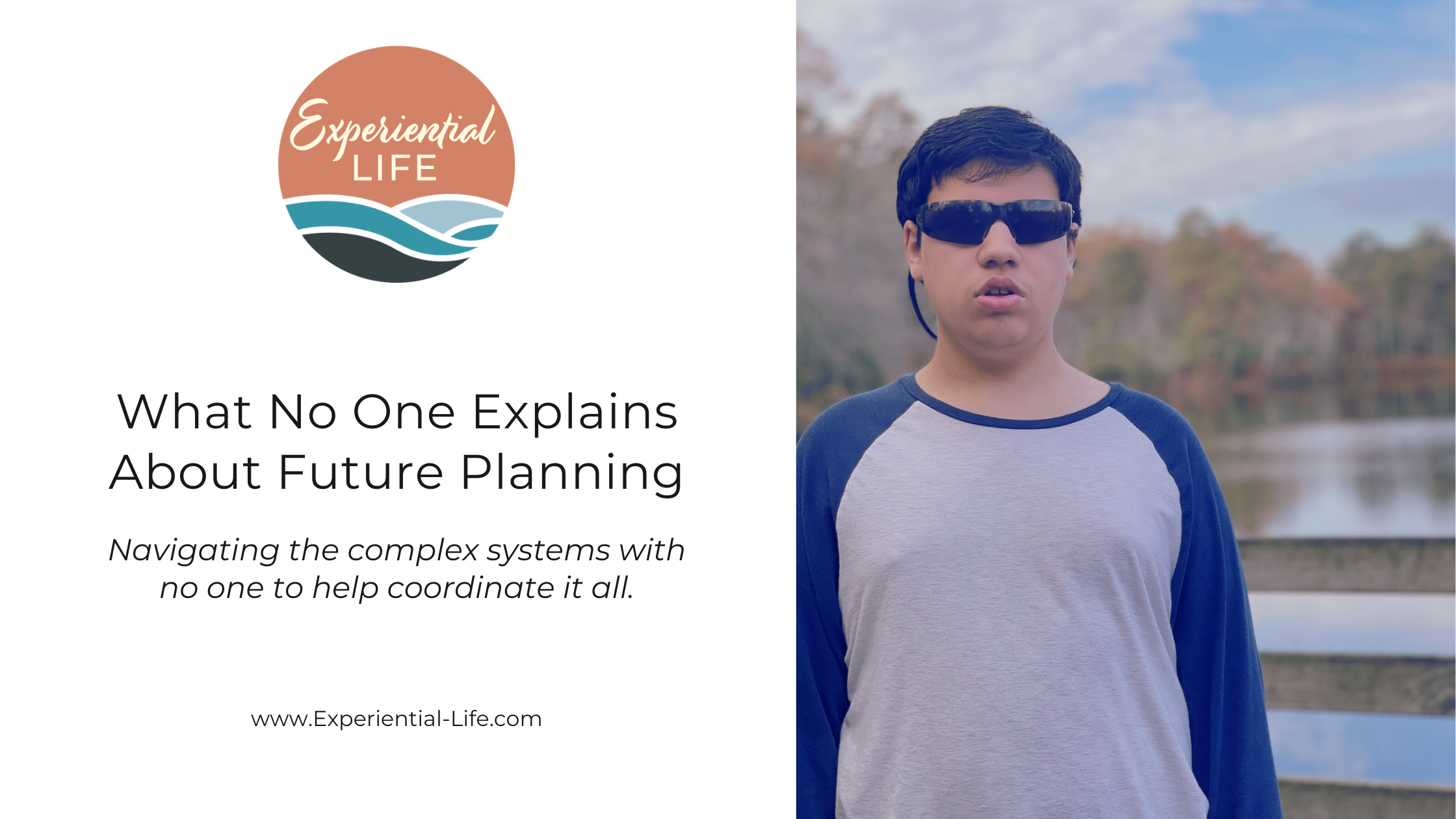
    Graphic Title Reads: What No One Explains About Future Planning: Navigating the complex systems with no one to help coordinate it all. Image of C - an autistic teen, standing in front of a wooden fence with a pond and fall foliage in the background. He is wearing a grey raglan shirt with blue sleeves. He has short brown hair and is wearing sunglasses.

    Future planning for a disabled child is often treated like a “tomorrow problem.” But when families start navigating waivers, benefits, and transition planning, they quickly discover how many disconnected systems they’re expected to understand.

    Read More

  • The Hidden Problem With Disability Resources

    • by Christy
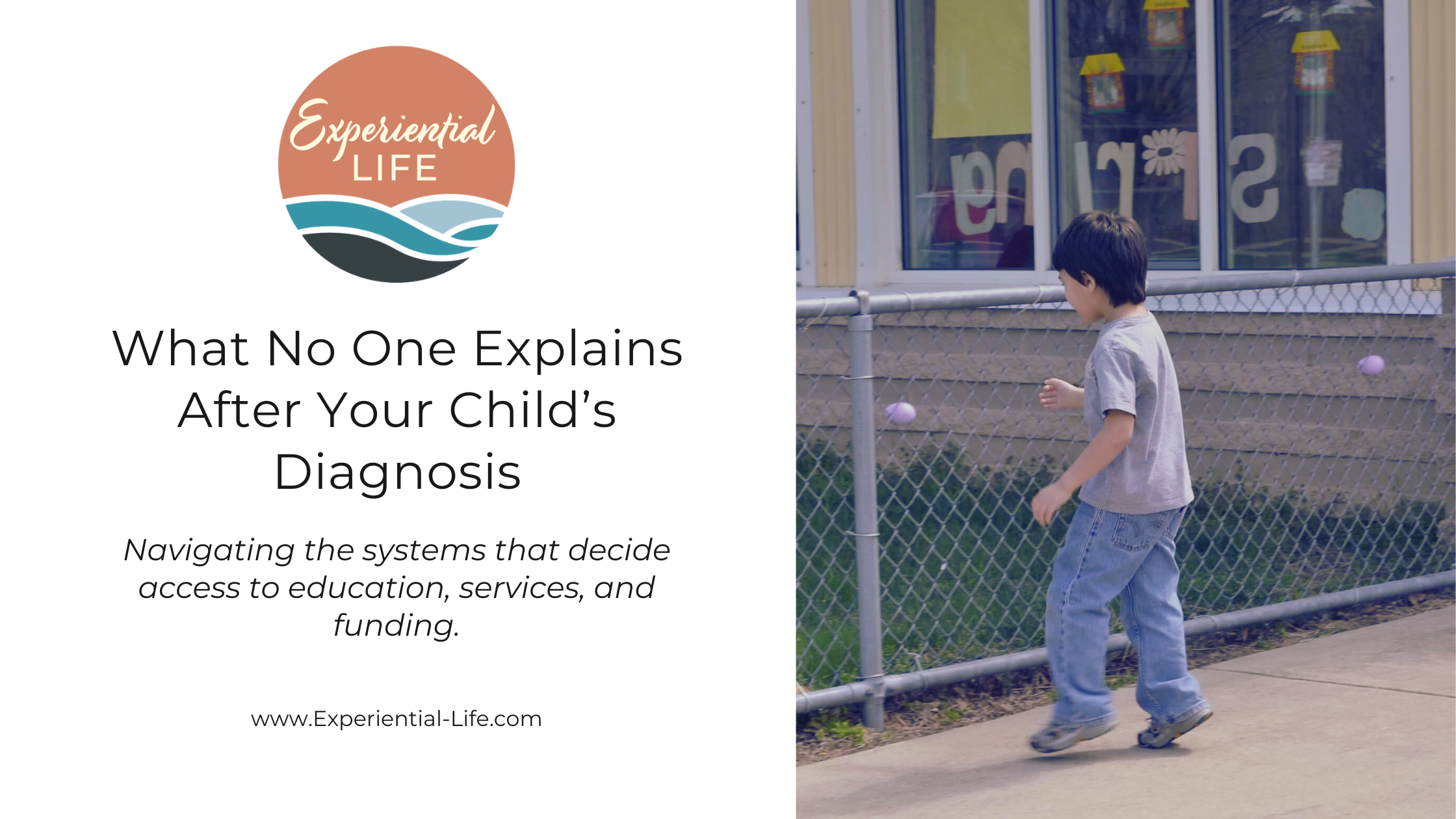
    What no on explains after your child's diagnosis: Navigating systems that decide access to education, services, and funding. Image of C standing at the fence of a playground at school. He has short brown hair and is wearing a gray t-shirt and jeans.

    Access to information, resources, and support for families raising neurodivergent children depends on word of mouth, luck, and who happens to be in the room.

    Read More

  • When “Support” Feels Like Punishment: 3 Questions To Ask Before Emailing the IEP Team

    • by Christy
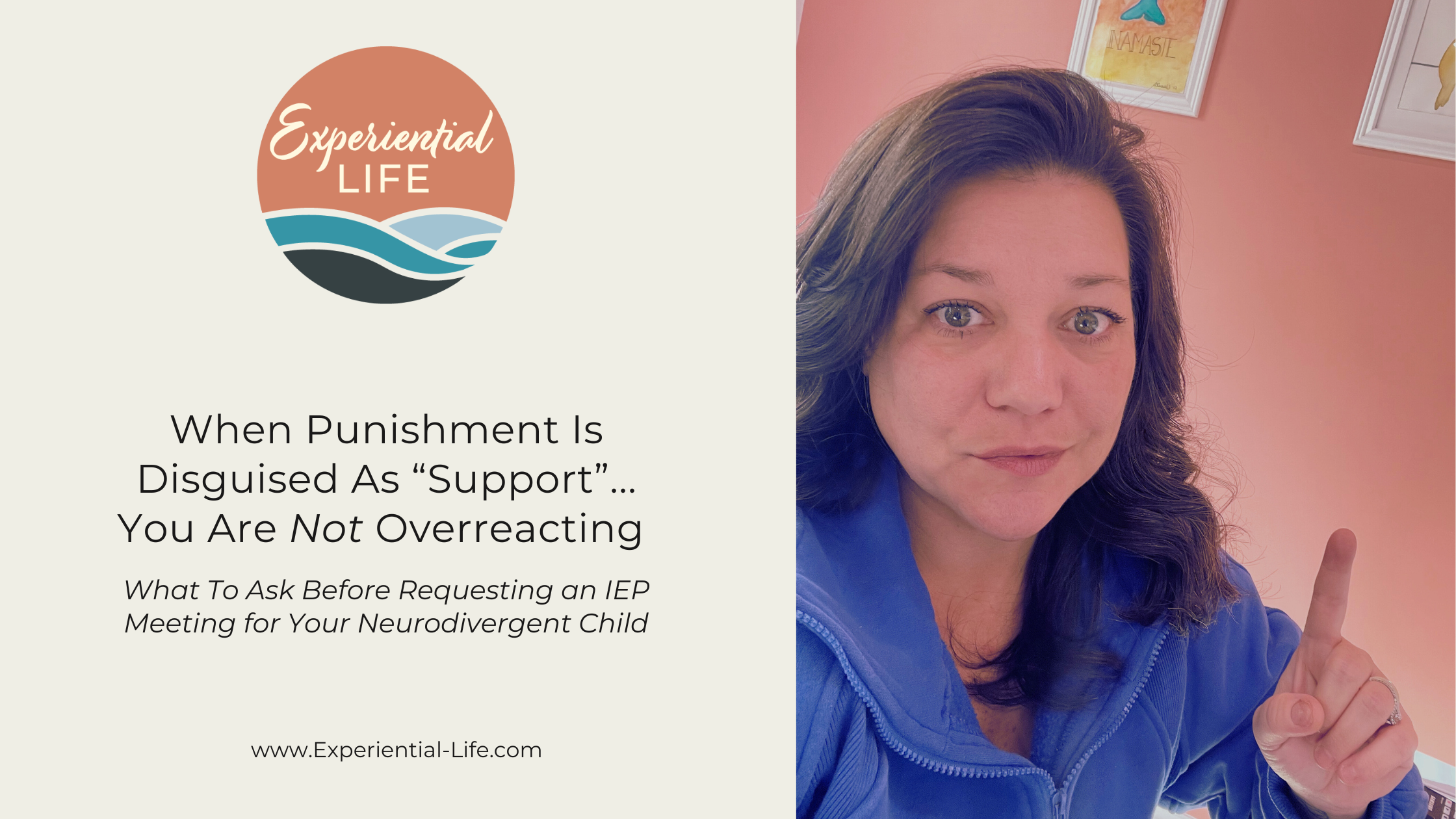
    Text on graphic reads: When Punishment is Disguised as Support - you are not overreacting. What to ask before requesting an IEP meeting for your neurodivergent child

    If your neurodivergent child is being removed from peers in the name of “support,” this is how to evaluate the IEP and decide whether it’s time to call a meeting.

    Read More

  • Deciding What Is Urgent When Raising A Neurodivergent Child

    • by Christy
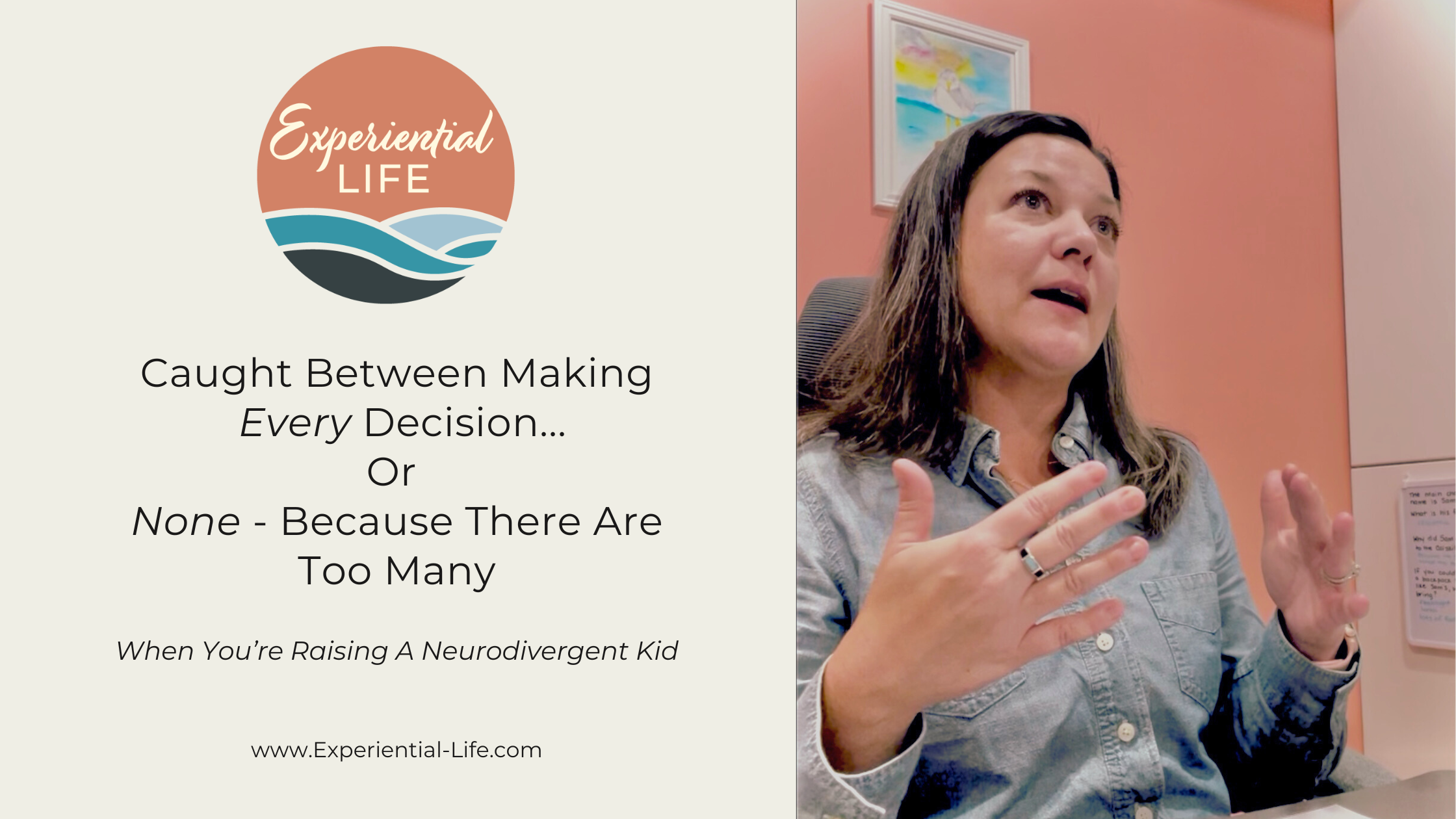
    On the left is the Experiential Life Logo, followed by: Caught between making every decision... or... none - because there are too many when you're raising a neurodivergent kid. On the right is an image of Christy (Founder and CEO of Experiential Life) wearing a blue denim button down shirt and her shortish brown hair hanging over her shoulders. She is talking with the camera catching her mid-sentence. Her hands are raised in front of her as if emphasizing a thought.

    From IEPs to medical referrals, decision fatigue is constant. How parents of neurodivergent kids can prioritize without burnout.

    Read More

  • When IEP Progress Leads to Reduced Support: What Families Need to Know

    • by Christy
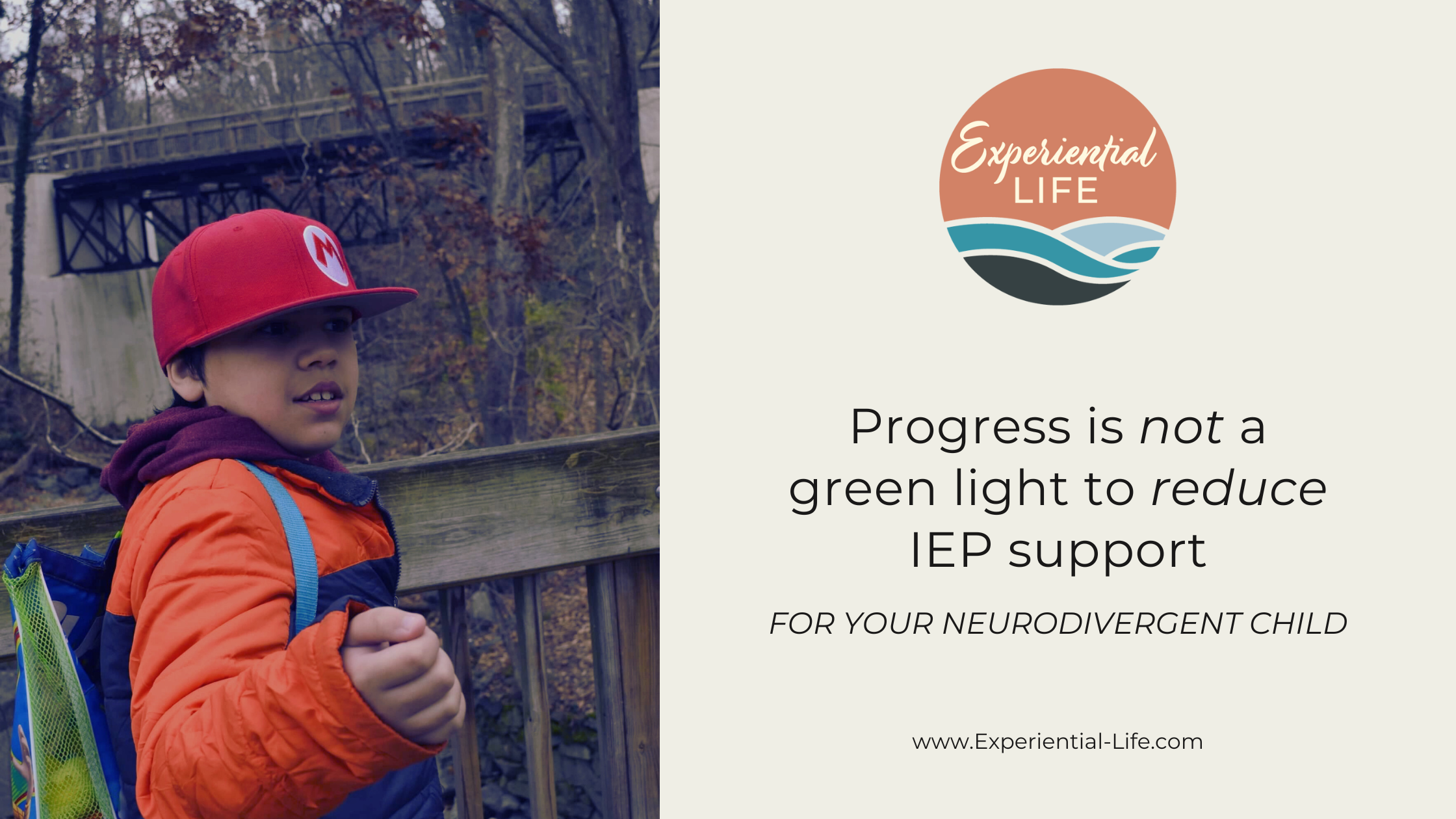
    An autistic 10 year old stands outside with red Mario hat, orange coat, and Toy Story Backpack. He is surrounded by a wooden path and trees with no leaves. The text reads: Progress is not a green light to reduce IEP support for your neurodivergent child.

    The IEP team saw progress, and pulled back dedicated 1:1 support.
    Honestly – it felt like a moment to celebrate.
    Until it wasn’t…
    Because he didn’t have someone dedicated to supporting him…
    When he pulled the fire alarm to get out of an assembly he didn’t want to go to.

    Read More

Posts pagination

1 2 3 Next

Archives

  • June 2026
  • May 2026
  • April 2026
  • March 2026
  • February 2026
  • January 2026
  • December 2025
  • November 2025
  • October 2025
  • May 2025
  • November 2024
  • August 2024
  • July 2024

Categories

  • IEP
  • Parenting
  • Resources
  • Support
Procastinating That Call?

Navigating Care: Essential Questions to Ask Every New Provider

You just got a referral to a new provider. You’re looking at a list of options 10 miles long and you have no idea what to say, how to pick the right provider, and so you toss the list aside for another day. 

Get the “Navigating Care: Essential Questions to Ask Every New Provider” guide delivered right to your inbox. It gives you a template of what to say and ask, so you can feel confident choosing your neurodivergent child’s care team. 

    Built with ConvertKit
    An iPad displays the PDF of, "Navigating Care: 8 Essential Questions to Ask Every New Provider"
    Home
    Privacy Policy
    Terms and conditions
    A white man sits on the couch with a coffee table to his right. In his hand is his cell phone with the Experiential Life App dashboard on the screen.

    Information, Resources, And Community Designed With You In Mind

    Experiential Life is the community for families raising neurodivergent kids. 

    About
    Membership
    Services
    Pinterest-p Facebook-f Linkedin
    If you got a stack of pamphlets explaining your ch If you got a stack of pamphlets explaining your child’s diagnosis, tell me if this resonates ⬇️

1️⃣ Transparency about the time limitation the doctor had for answering questions. I needed a second to process the diagnosis, and then needed time to ask all the questions. I wish the doc said, “I know this is a lot. Feel free to ask questions in the patient portal, or call the office.” 

2️⃣ If the doc doesn’t want us to flood them with all the questions that we spent the entire night composing while we should have been sleeping… I wish that the doc was prepared with a list of resources that can answer them. Like Parent Training and Information Centers or local support groups. 

3️⃣ One sentence scripts on what to say when we called to schedule all the appointments. Having just one sentence written on the referral that told me what to say - why I was scheduling the appointment - would have saved me so much emotional and mental labor. 

BONUS

I wish I knew just how important it would be to have a concise and ready to share story about my child and my caregiving experience. 

We are asked, no less than a million times, “what’s brought you in today?”

And we have to share all of the missed milestones, deficits, and delays - while also trying really hard to show that our child has strengths and potential.

We have to cater the story to the room we are in – and have less than 3 minutes to get it all out. 

No one tells us how important that story is. No one helps us write it and memorize it. No one tells us how to adopt the language the people in the room are trained to hear…

Until now:
On May 19th at 12pm EST, Pattie Archuleta - longtime disability and healthcare advocate and mom to an autistic adult with epilepsy - is leading a live interactive workshop to help you do exactly that.

It’s free. Registration required.

Comment “QUOTE” and I’ll DM you the details.

Your turn - what you wish the doc said the day your child got their diagnosis 👇

*Video ID in the pinned comment
    Here I am, a self-proclaimed disability and health Here I am, a self-proclaimed disability and healthcare advocate talking about the 18 month break we took from everything. 

We opted out of public school and homeschooled.

We opted out of private therapies, and took weekly trips to museums, zoos, and parks. 

We put a hold on all specialty appointments, and let ourselves have room to breathe.

For 7 years, we chased every referral, did every therapy, saw every specialist, did all the follow-ups… spent all the money. 

And we were burnt out and broke. 

Then our family got an opportunity to move to FL.

We jumped. 

Here’s what didn’t happen…

My son’s progress didn’t regress - but it also didn’t progress. 

He was happier, more regulated, and so was I. 

Here’s what I wish I knew…

That when we moved back to our home state, getting back into therapies, with an older kid who opted out for over a year, and who seemed to hit a plateau was just as hard as when we first navigated the waitlists and finding the right therapist. 

Putting together a neuroaffirming therapy team that accepted our insurance, while working a 9-5 job that required a 2 hour commute, while re-establishing an IEP, and also prepping for middle school and transition to adulthood…

It felt like I was about to jump on the bullet train to back Burnoutville. 

I’m not endorsing an opt out - I don’t know that I would do it over the same way again.

It’s just the circumstances life handed us - and we went with it.

Your turn - have you ever decided to opt out? Tell me in the comments below ⤵️

Video ID: C is wearing a bright blue zip hoodie, with a navy blue hoodie (hood over his head) and pants. He is dancing outside in a park.
    Save and share this - because we need advocates in Save and share this - because we need advocates in action - before our children end up with less rights than they were born with…

My autistic son’s children’s hospital invited our family to DC to attend Family Advocacy Day, and I wasn’t as prepared as I thought. 

Here’s what I wish I knew then, that I know now after 15 years of advocacy work…

1️⃣ You may or may not actually talk to your Senator or Representative… You’ll probably talk to one of their aides.

2️⃣ You will have a meeting time - but that time is fluid and depends on what is happening on the House or Senate floor. Be prepared to wait. 

3️⃣ How you tell your caregiving story, the small details that are quantifiable matter. I always lead with, “we waited 18 months for a formal diagnosis, spent at least 5 hours in the car each week travelling to therapies and specialist, and spent $30,000 out of pocket - even though we had insurance - the year my son got his diagnosis. 

BONUS
What do you wish changed, what do you need protected, and why?

Even if you are calling our emailing your elected representatives - even if you are advocating at the state or local level, not on Capitol Hill - the points above stand. 

You have 90 seconds or less for the person in front of you to either lean in or move on. 

What you say in those 90 seconds matter most. 

That’s why on May 19th at 12pm EST, we are bringing in long-time disability and healthcare advocate and mom to an autistic adult with epilepsy, Pattie Archuleta. 

She’s managed federal grants that support children and youth with special healthcare needs, and knows her way around policy jargon.

Join us
🗓 Date: May 19, 2026
⏰ Time: 12pm EST
⏱ Length: 60 minutes (interactive)
📍 Live on Zoom 

PSST… It’s free to attend, but you do need to register in advance ⬇️

Comment “QUOTE” and I’ll DM you the details.

Now tell me in the comments - when’s the last time you talked to your elected officials?
    If your neurodivergent child is about to hit the m If your neurodivergent child is about to hit the middle school years - save this - you’ll want to come back to it. 

Because for the last 5-7 years, you’ve probably been working with the same IEP team, same therapists, and finally feel like you can couch rot for 5 minutes without feeling the pull to fall down the research rabbit hole. 

But what no one seems to talk about is the changes that happen between 5th grade and adulthood. 

Puberty - and the hormonal and bodily changes that not only affect our kids eating and sleeping habits - but their mental health and physical bodies. 

Bullying - when kids start to get more vocal about the differences they see, and use those differences to try to make kids in their class laugh or gang up on our kids. 

Middle school - a new IEP team, different class schedules, lockers, and more work that’s harder. Whoever thought it would be a good idea to mix a completely new routine with hormonal kids got it seriously wrong. 

IEP Transition - what our kids will do after they get out of high school. It feels weird to start thinking about life after high school when our kids are between the ages of 12 and 14 - but there we sit, talking about where they’ll live, where they’ll work, and what support they’ll need. 

So if you’re sitting in the sweet spot of 4th grade and finally feeling like you’ve got your ish together…

Or if you have a kid in middle school - and you’re wondering where you went wrong…

Or maybe you’re a planner, and you just want to know what to expect…

That’s what I built Experiential Life for.

So you’re not hit with any surprises at any stage of your neurodivergent child’s life - and you have a community that doesn’t live on the internet to support you through it. 

Be sure to hit the follow button - and tell me in the comments below… how old is your neurodivergent kid?

Video ID: pinned in the first comment.
    Save and share this - because we need every advoca Save and share this - because we need every advocate on the frontlines sharing their stories ⤵️

What if you knew how to tell your caregiving story in a way that made the people who make decisions about your disabled child’s future lean in - rather than push you aside?

Because it seems every day a new news story breaks about policy changes that could fundamentally change your disabled child’s future.

Or harmful rhetoric that perpetuates the stripping away of disabled folx rights to dignity, respect - their humanity.

You feel like you’re stuck in the worst version of Groundhog’s Day - leaving voicemails for the people who are supposed to represent you - and feeling like they have too little time to hear what you have to say. 

That’s why we are hosting a workshop on May 19th at 12pm EST. 

To help you share your caregiving story, to every potential audience:

👉 At the IEP table

👉 At the doctor’s office

👉 To friends and family

👉 To the disability providers

👉 With the people who are elected to serve the public’s interest

You’ll learn how to discern the parts of your story that matter most to the people in the room.

How to trim or extend the story to meet their time constraints.

And how to ask for what your child needs, using the language that they are trained to listen to.

It’s free to attend, but registration is required. 

Just comment “QUOTE” and I’ll DM you the details. 

Now tell me - what part of your caregiving story makes people lean in closer?

Mine is in the comments 👇

Video ID: Christy is walking between brick buildings on a paved brick walkway, with her hair down around her shoulders. She is wearing red pants, a beige blazer, and black Converse.

If we haven’t met yet - I’m Christy 👋

Mom to an autistic teen, healthcare and disability advocate, and I help families navigate the systems that are supposed to support our kids.
    Share this if you are actively fighting to make su Share this if you are actively fighting to make sure our disabled kids grow up with the same rights and protections they were born with…

Because if 2026 is teaching us anything, it’s that the awful rhetoric about disabled and neurodivergent folx and their caregivers won’t stop unless we continue to make noise.

From RFK accusing caregivers who are paid for caring for disabled parents and children of committing Medicaid fraud…

To saying that “Every Black kid is now just standard put on Adderall, SSRIs, benzos, which are known to induce violence.”

There’s the Texas vs. Kennedy lawsuit that threatens the integration mandate or “final rule” in Section 504 of the Rehabilitation Act.

That’s the one that says that disabled people should be able to live in the community and not institutions. 

Then there’s the seemingly small - but very real ADA changes…

Like no longer enforcing the rule that airlines have to pay for damaged wheelchairs, or pushing back web accessibility requirements by a full year. 

And don’t get me started on the changes to the Department of Education. 

Gutting the department that ensures that kids with disabilities have access to a Free and Appropriate Public Education in the Least Restrictive Environment shows just how little this administration cares about disabled folx. 

We can’t stop talking about issues that affect autistic and disabled folx.

We need to keep sharing our stories to humanize and put a face to the programs they are trying to end - in the name of “fraud, waste, and abuse.”

The people making these decisions are counting on us to stop talking, but we can’t.

👉 Be sure to hit follow to keep up with the latest updates on these potential policy changes. 

Video ID pinned in the first comment.
    Follow on Instagram

    Let's Hang on Instagram

    @Experiential.Life.Community
    © Experiential Life 2025. All Rights Reserved