Community In Action:
How To Help Your Immigrant Neighbors

Families raising neurodivergent children already face barriers that most can’t imagine. When language, immigration status, and fear collide, those barriers become walls.

Last week an autistic 15 year old was detained by ICE. 

He was working at a fruit stand with his mother and asked to use the restroom. 

When he didn’t return, she obviously got worried and called the police. 

She begged for them to put out an AMBER Alert, to help her find her son. 

She explained that he was minimally speaking and autistic.

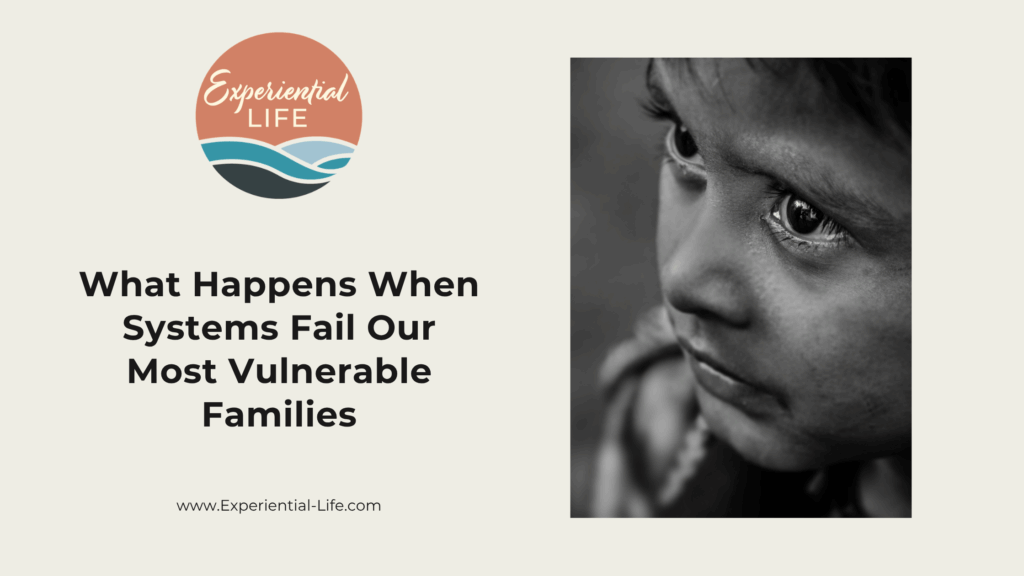
Caption reads, "What Happens When Systems Fail Our Most Vulnerable Families" - to the left is a black and white image of a young boy with big brown eyes. He is in slight profile and he looks both serious and worried.

It took over a week for her to learn that he was picked up by Immigration and Customs Enforcement. 

They, nor the police, notified her within that week where her son was. 

You can read more about the story here.

When Systems Fail, Community Steps In

As a mother of an autistic teen, I cannot imagine the terror this woman experienced over the days her son was gone. 

As this story broke, I coincidentally had a conversation with a community member. She is a mom to an autistic boy, a paraprofessional, and helps people in her community by providing English to Spanish translation and interpretation services. 

During our conversation, she asked what resources are available to immigrant families to help them talk to their neurodivergent children about ICE and the raids taking place across the country. 

She said that she has been contacted by families whose children were approached by ICE while at their bus stop. 

Children, some who are neurodivergent and/or receive special education services, approached by ICE while trying to get to school. 

And rightfully, immigrant families are terrified.

The Silence of Organizations Who Are Supposed To Help

She reached out to organizations in her community, but found that most were unwilling to speak out or publicly share resources about ICE for fear that they would lose their federal funding. 

Organizations that are funded to fill the gaps in services that the government cannot fill, are scared to support their community members for fear of retaliation. 

Experiential Life does not receive federal funding…

After hearing what’s happening – and how alone families raising neurodivergent children feel – I knew I had to do something.

When The Community Steps Up

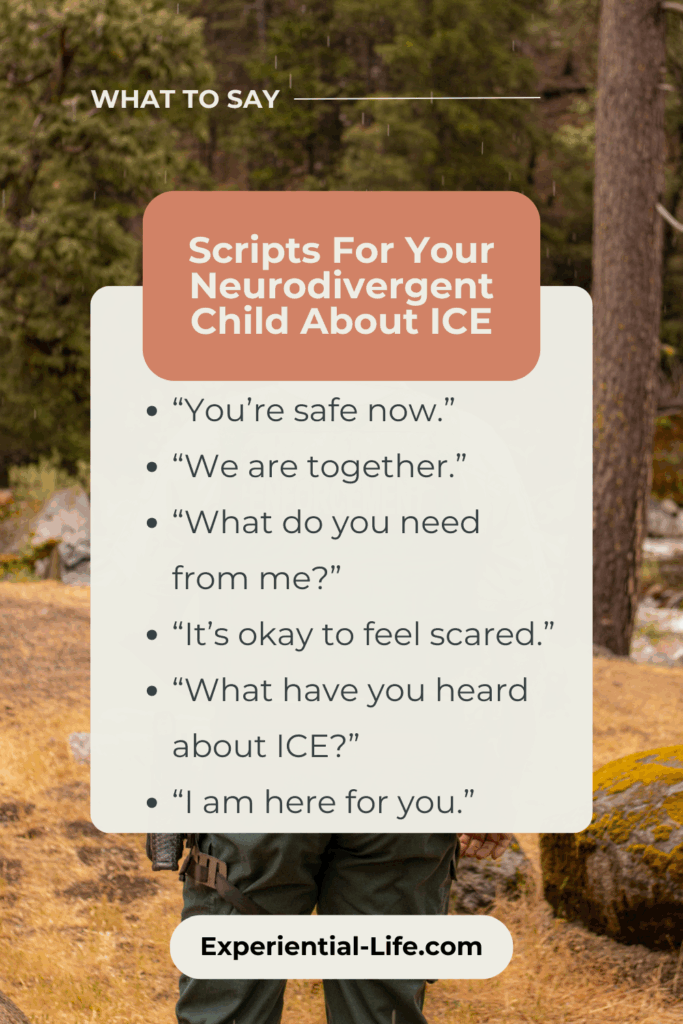
Image of a fall day and law enforcement covered by a text box that reads, "What to say... Scripts for your neurodivergent child about ICE: - You're safe now. - We are together. - What do you need from me? - It's okay to feel scared. - What have you heard about ICE? - I am here for you.

I put out a call to everyone I knew, looking for resources specifically designed to support immigrant families who are struggling to help their neurodivergent children understand:

→ what is happening with ICE,

→ what to do if they encounter ICE, and

→ organizations that are helping families right now. 

The response was incredible. 

Here are the resources shared by our amazing community.

It is in a Google Sheet so as more resources are directed my way, they can be added.

Representation And Compassion In Action

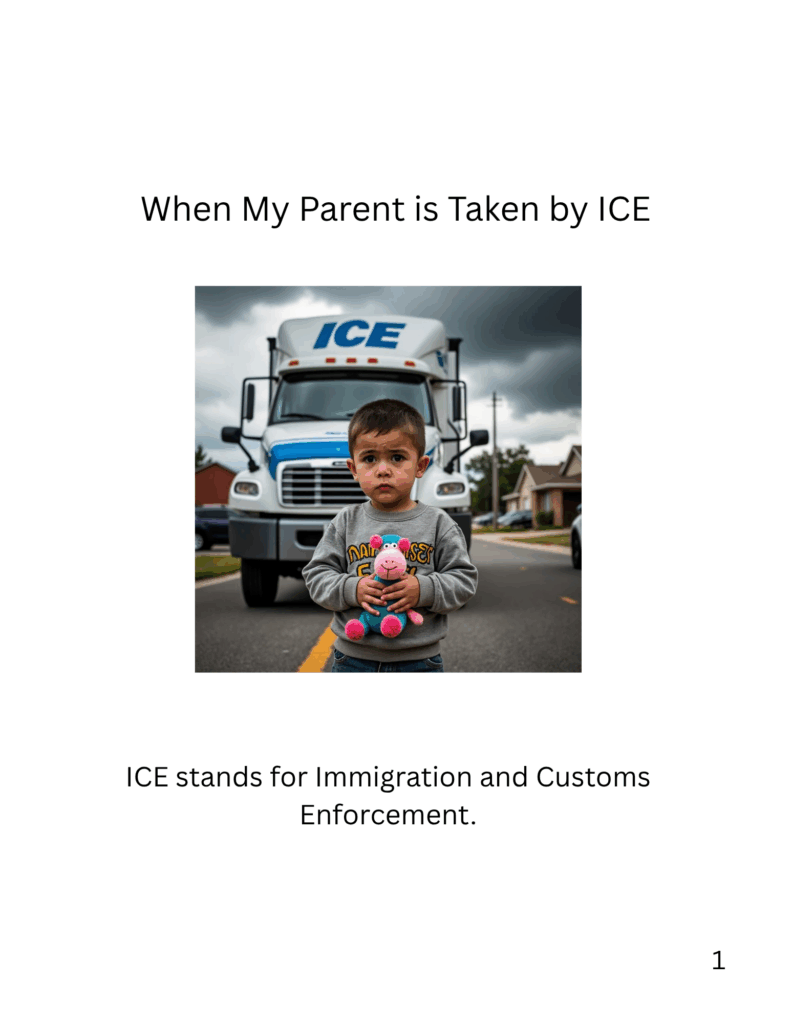
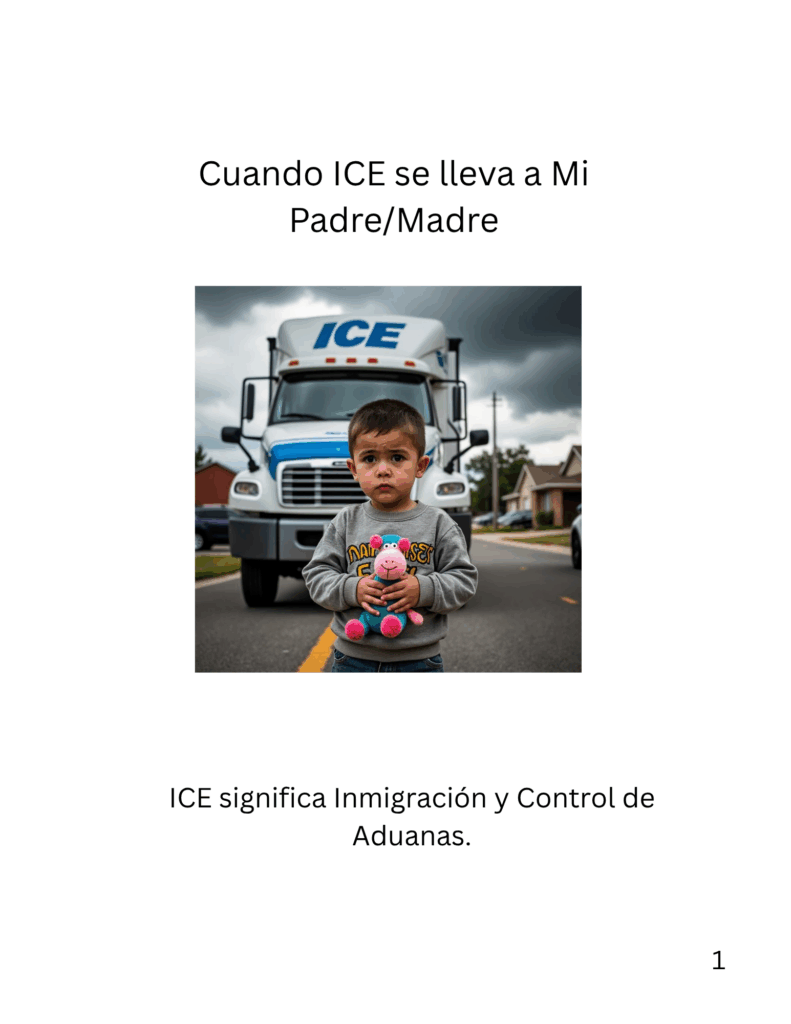
I am also sharing this resource created by Briana Rosales Franco, a bilingual mom raising an autistic child. 

When she heard I hoped to find social stories to support neurodivergent children impacted by ICE activities in their communities, she immediately created this resource for families – in both English and Spanish!

Please share these social stories widely – and if you can – please be sure to attribute Bri. 

Why These Stories Matter

When families are left out of the conversation, their safety – and their stories – are at risk.

The Experiential Life App exists to change that. It’s where parents, caregivers, and professionals raising neurodivergent children can share trusted resources and support, outside the walls of social media.

If this story moved you, take one more step: share these resources and share Experiential Life. 

Because connection is how we keep each other safe.

If any of this resonates, please share this article with your network and subscribe to the newsletter to get instant access to future articles, weekly advocacy tips, exclusive event invites, and news you can use.

Do you crave trustworthy information and resources to help you support your Neurodivergent child?

Subscribe to the Experiential Life newsletter and get advocacy tips, exclusive event invites, and news you can use - delivered straight to your inbox.

    We won't send you spam. Unsubscribe at any time.